Gluten-Free Cheesecake Recipe
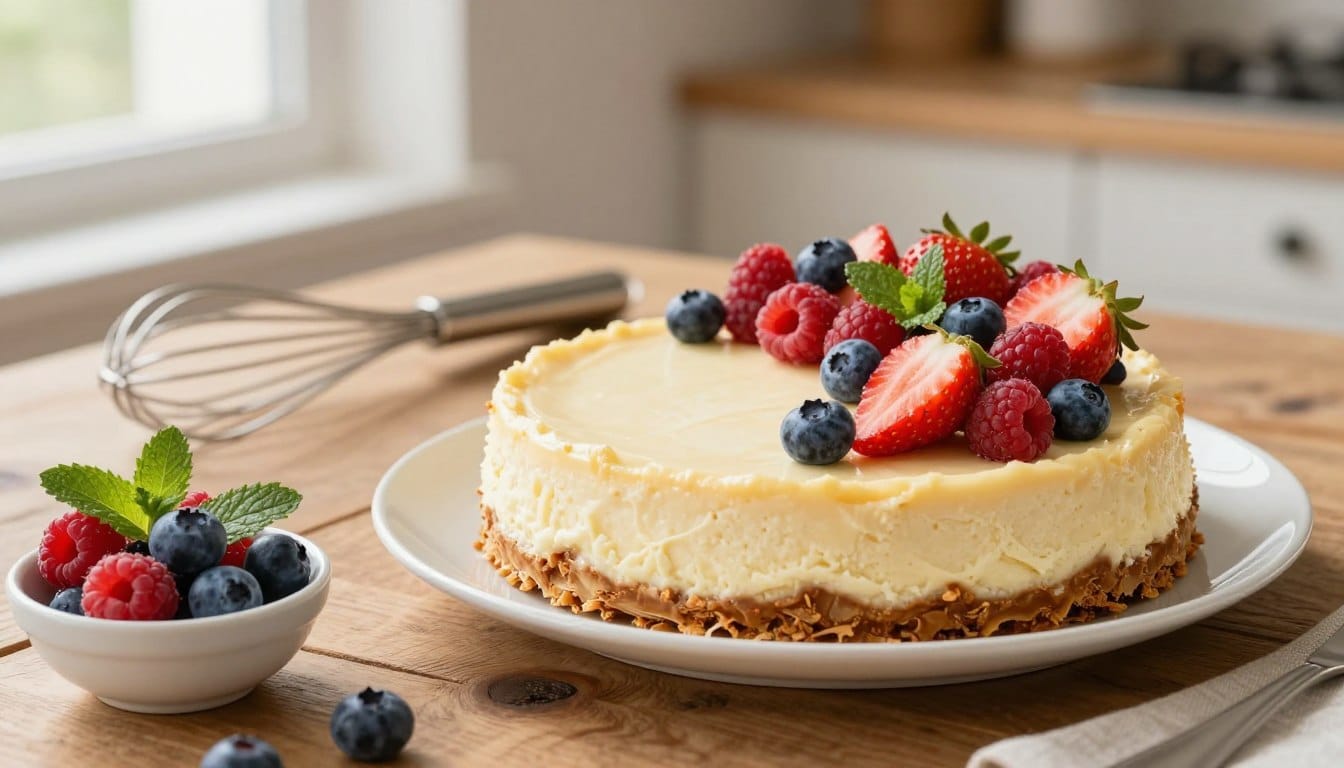
Imagine biting into a creamy slice of cheesecake, knowing it’s gluten-free. This recipe makes homemade desserts possible for those who love cheesecake but can’t have gluten. It’s perfect for any occasion or simply for treating yourself. You’ll find making this gluten-free cheesecake is easy and rewarding.
Table of Contents
Introduction to Gluten Free Cheesecakes
Gluten free diets have become more popular, changing the dessert world, especially cheesecakes. A Gluten-Free Cheesecake is a tasty choice for those who can’t eat gluten. It’s made with gluten free ingredients, so it tastes and feels like the real thing.
People love gluten free cheesecakes because they’re still creamy and delicious. The special ingredients might even make the cheesecake better. This means everyone can enjoy cheesecake, no matter their diet.
Experimenting with different recipes and baking techniques is great for both gluten-sensitive individuals and everyone else. Gluten free desserts let you get creative in the kitchen. It’s a fun way to make tasty treats for all.
Understanding Gluten Free Ingredients
Creating a Gluten-Free Cheesecake means knowing the ingredients. Traditional cheesecakes use cream cheese, eggs, sugar, and flavorings. But, some crusts have gluten. Don’t worry, there are gluten free options to make a tasty cheesecake that fits dietary needs.
Common Ingredients in Cheesecake
Most cheesecakes have a few key ingredients:
- Cream Cheese
- Granulated Sugar
- Eggs
- Flavoring Agents (like vanilla extract)
- Crust Ingredients (often made from flour-based cookies)
Gluten Free Alternatives to Traditional Ingredients
Adapting your cheesecake recipe? Here are some gluten free options:
- Use gluten free graham crackers for the crust.
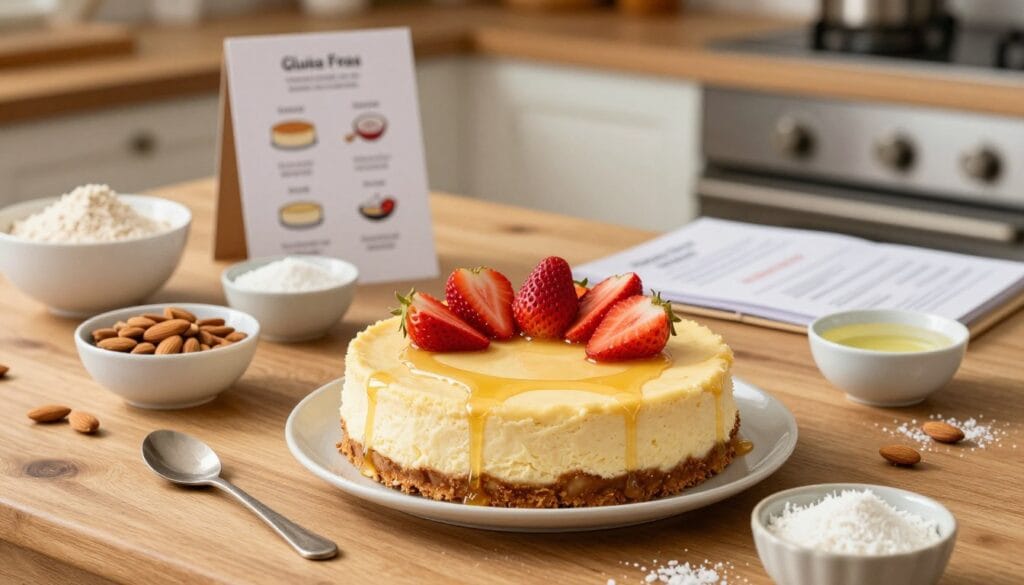
- Nut-based crusts, like almond flour, are great substitutes.
- Brands like Bob’s Red Mill and Pamela’s offer gluten free baking mixes.
- Make sure your flavorings are gluten free.
Essential Tools for Baking Cheesecakes
When baking a Gluten-Free Cheesecake, the right tools are crucial. The right cheesecake pan and baking essentials make the process smoother. Knowing which tools to use makes each step easier, leading to a beautiful dessert.
Choosing the Right Pan
The pan you choose greatly affects your cheesecake’s final look. An 8-inch springform pan is often the best choice. It lets you easily remove the cheesecake without damaging it. This pan keeps the cheesecake’s shape perfect.
Other pans, like a standard round cake pan, can work too. But, they might need more care when you take them out of the oven.
Must-Have Kitchen Tools for Perfect Cheesecake
There are more tools needed for a perfect cheesecake than just a pan. Here are some must-haves:
- Food Processor: Great for making the cream cheese mixture smooth.
- Mixing Bowls: Different sizes are helpful for mixing ingredients and toppings.
- Measuring Cups and Spoons: They ensure you measure ingredients correctly, keeping the cheesecake’s texture right.
- Spatula: It’s useful for spreading the batter and mixing in ingredients.
Delicious Gluten Free Cheesecake Recipe
This Gluten-Free Cheesecake recipe is a rich and creamy treat for all. First, gather these ingredients:
- 2 cups gluten free graham cracker crumbs
- 1/2 cup melted butter
- 4 (8 oz) packages cream cheese, softened
- 1 cup granulated sugar
- 1 teaspoon vanilla extract
- 4 large eggs
Start by preheating your oven to 325°F (163°C). Mix the gluten free graham cracker crumbs with melted butter until it’s well combined. Press this mix into a 9-inch springform pan to make the crust.
In a separate bowl, beat the cream cheese until smooth. Add the sugar gradually, mixing well after each addition. Stir in the vanilla extract, then add the eggs one at a time. Make sure not to overmix to avoid cracks.
Pour the cream cheese mix over the crust and smooth the top with a spatula. Bake for 55-60 minutes, or until it’s set but still slightly jiggly. Turn off the oven and let it cool for one hour to prevent cracking.
After cooling, refrigerate the cheesecake for at least four hours, or overnight for the best taste. Serve it plain or with your favorite toppings, like fresh berries or chocolate sauce. This gluten free cheesecake will impress everyone with its rich flavor and creamy texture.
How to Make a Gluten-Free Cheesecake Crust
Making a gluten free cheesecake crust can make your dessert even better. You can choose from gluten free graham cracker crust or other alternatives. With the right ingredients and steps, you can make a crust that tastes great and feels good.
Using Gluten Free Graham Crackers
To make a gluten free graham cracker crust, you need:
- 1 ½ cups crushed gluten free graham crackers
- ⅓ cup granulated sugar
- ½ cup unsalted butter, melted
Here’s how to do it:
- Preheat your oven to 350°F (175°C).
- In a bowl, mix the crushed gluten free graham crackers and sugar.
- Add the melted butter and mix until the crumbs are evenly coated.
- Press the mixture firmly into the bottom of a 9-inch springform pan, spreading it out evenly.
- Bake for about 10 minutes, then let it cool before adding the cheesecake filling.
Alternative Crust Options
Want something different? Try these alternative cheesecake crusts:
- Nut-Based Crust: Mix crushed nuts like almonds, walnuts, or pecans with dates and coconut oil for a grain-free option.
- Coconut Crust: Combine shredded coconut, almond flour, and butter for a tropical flavor.
- Oat Flour Crust: Use gluten free oats and coconut oil to make a crust that’s wholesome and fiber-rich.
These crusts offer unique tastes and are great for those with gluten sensitivity. They make your gluten free cheesecake even more special.
Tips for Preparing the Cheesecake Filling
Making a rich gluten free cheesecake filling needs careful steps. It’s key to use room temperature ingredients for a smooth mix. When all ingredients are at room temperature, they blend without lumps. Here are some tips to make your cheesecake better.
Room Temperature Ingredients: Why It Matters
Room-temperature ingredients are essential for the cheesecake filling. Softened cream cheese, eggs, and dairy blend more smoothly, creating a fluffy, creamy texture.
Take them out of the fridge an hour before mixing. Cold ingredients can make the filling dense, a common mistake.
Avoiding Common Mistakes in Cheesecake Preparation
To avoid common mistakes, mix the filling slowly to avoid too much air. Overmixing can cause cracks. Scrape down the bowl often to mix everything evenly, reducing lumps. Also, don’t skip measuring ingredients accurately. Use a kitchen scale or measuring cups for the right amounts.
| Common Mistake | Description | Solution |
|---|---|---|
| Using Cold Ingredients | Cold ingredients can lead to a lumpy texture. | Allow ingredients to reach room temperature before mixing. |
| Overmixing the Filling | Can cause cracks in the cheesecake. | Mix on low speed and stop when just combined. |
| Inaccurate Measurements | Using incorrect amounts may alter texture and taste. | Always measure ingredients carefully using a scale or measuring cups. |
Best Practices for Baking Gluten-Free Cheesecake
Baking a Gluten-Free Cheesecake needs careful attention, especially with temperature and knowing when it’s done. Good cheesecake baking tips can make your dessert rich, creamy, and just right. Learning to manage the oven temperature and knowing when it’s ready will help you succeed.
Temperature Control During Baking
Getting the right temperature is key for a perfect cheesecake texture. First, preheat your oven to the recipe’s temperature. An oven thermometer ensures accuracy. The best baking temperature is between 300°F and 325°F (150°C to 165°C).
If your cheesecake starts to crack, it might be too hot. Using a water bath helps keep the temperature steady and prevents overcooking.
Identifying Doneness: The Jiggle Test
Knowing when your cheesecake is done is very important. The jiggle test is a great way to check. Gently shake the pan; if the center jiggles a bit but the edges are firm, it’s ready. If it shakes like jelly, bake it a bit longer.
Take it out of the oven when it’s set but still a bit soft. Letting it cool slowly in the pan helps it set better without getting dry or cracking.
| Tip | Description |
|---|---|
| Preheat Oven | Ensure your oven is at the right temperature before putting in the cheesecake. |
| Use an Oven Thermometer | Check that your oven is accurately calibrated for optimal temperature control. |
| Water Bath | Helps maintain even temperatures, preventing burning or cracking. |
| The Jiggle Test | Look for a slight jiggle in the center to gauge doneness. |
| Gradual Cooling | Allow the cheesecake to cool slowly in the pan to avoid cracks. |
Cooling and Storing Your Cheesecake
Keeping your Gluten-Free Cheesecake cool and stored right is key. Good cooling tips can make your cheesecake taste better and feel creamier. Letting it cool slowly helps avoid cracks and makes it smoother.
Importance of Cooling Gradually
Cooling your cheesecake takes time. Let it sit at room temperature for at least an hour after baking. This slow cooling lets steam out, reducing crack risks.
If you take it out too fast, it might crack. Once it’s room temperature, put it in the fridge for hours or overnight. This step blends the flavors well.
How to Store Cheesecake for Freshness
There are ways to keep your gluten free cheesecake fresh. Cover it tightly with plastic wrap or foil, or use an airtight container in the fridge. This keeps it good for up to five days.
For longer, freeze it. Wrap each slice in plastic and store in a freezer-safe container. This way, it stays fresh for up to three months. Enjoy a slice whenever you want.
Varieties of Gluten Free Cheesecake
Exploring different types of gluten free cheesecakes can make your desserts more exciting. No bake gluten free cheesecakes and mini gluten free cheesecakes are especially popular. They offer flexibility for various occasions and dietary needs.
Creating No Bake Gluten Free Cheesecake
A no bake gluten free cheesecake is great for a quick dessert. It mixes cream cheese, sweeteners, and flavors like vanilla or fruit purees. No oven is needed. Just chill it in the fridge and let the flavors blend while you relax.
Mini Cheesecakes: Perfect for Parties
Mini gluten free cheesecakes are ideal for parties. Their small size is easy to handle and suits many tastes. You can top them with fresh berries, chocolate, or whipped cream. Guests will love these gluten-free treats.
Serving Suggestions for Gluten Free Cheesecake
Enhancing your gluten free cheesecake is all about presentation and flavor. Choose the right toppings and drinks to make it even better. Here, we’ll look at some great options to take your cheesecake to the next level.
Delicious Toppings to Enhance Flavor
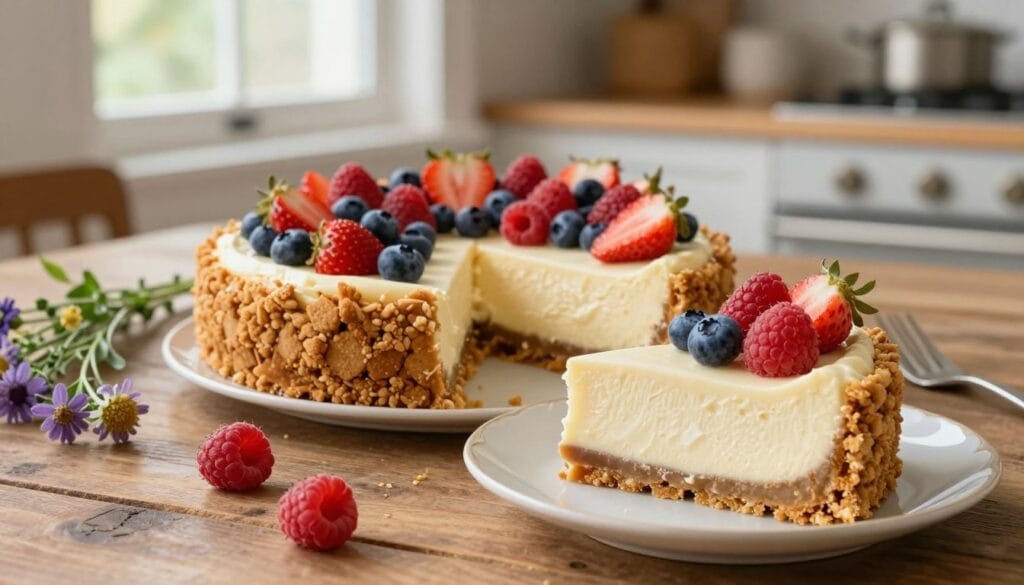
- Fresh fruits like strawberries, blueberries, or raspberries add color and freshness.
- Chocolate drizzles or ganache bring a rich, decadent taste.
- Caramel or toffee sauce adds a sweet, sticky contrast.
- Nuts and seeds, like crushed pistachios or almonds, add crunch.
- Whipped cream or a dollop of yogurt adds a light, airy touch.
Pairing Cheesecake with Beverages
- Coffee pairs well, enhancing the cheesecake’s creaminess.
- Red wines, like Merlot, contrast nicely with sweet flavors.
- Sweet dessert wines, such as Moscato, enhance the dessert experience.
- Herbal teas, like chamomile or mint, offer a refreshing balance.
- Fruit juices, especially berry or citrus, brighten the dish.
Why This Recipe Is the Best Gluten Free Cheesecake
This recipe is the top choice for gluten free cheesecake. It has a creamy texture and a rich flavor. It perfectly mixes sweetness with a hint of tang, making it a hit with everyone.
Using top-notch gluten free ingredients keeps the taste just right. It’s a dessert that even those who love traditional cheesecakes will love.
Key Features of a Great Gluten Free Cheesecake
Looking for the best gluten free cheesecake? Here are the key features to look for:
- Creamy Texture: A smooth and rich filling that melts in your mouth.
- Perfect Balance: The ideal mix of sweetness and a subtle tang from cream cheese.
- Flavor Variations: Options for various flavorings, such as vanilla, chocolate, or fruit infusions.
- Easy Preparation: A simple recipe that gives amazing results.
Compliments from Family and Friends
Many friends and family members have tried this cheesecake. They all give it high praise. They say it’s “the best they have ever had,” even though it’s gluten free.
These genuine compliments show how much people love this dessert. It’s a hit at gatherings and celebrations.
Gluten Free Cheesecake Recipe Recap
This gluten free cheesecake recipe recap is a great guide for your baking. You learned about key ingredients, tools, and techniques for a gluten-free cheesecake. For the crust, use gluten-free graham crackers or almond flour for flavor.
The filling is made from cream cheese, sugar, and eggs. Mixing these at room temperature prevents lumps, making the cheesecake smooth.
Temperature control is crucial when baking. Preheat your oven and use the jiggle test to check for doneness. Cooling the cheesecake slowly allows flavors to deepen, improving taste.
Try adding fresh fruit or chocolate drizzle for extra flavor. This gluten free cheesecake recipe recap encourages you to be creative. With practice, you’ll wow your family and friends with your cheesecake.
| Step | Details |
|---|---|
| Prepare Crust | Use gluten free graham crackers or almond flour. |
| Mix Ingredients | Ensure cream cheese, sugar, and eggs are at room temperature. |
| Bake | Monitor with the jiggle test for doneness. |
| Cool | Allow cheesecake to cool gradually for best flavor development. |
| Serve | Add toppings like fruit or chocolate for enhanced flavor. |
Conclusion
Making a delicious gluten free cheesecake is more than just a treat. It shows that gluten-free desserts can be rich and fulfilling. With the right recipe, you can try different toppings and flavors, letting your creativity run wild.
Remember, baking a great cheesecake is all about knowing your ingredients and techniques. Every step, from making the crust to getting the right texture, matters. Enjoy making your gluten-free masterpiece and share it with loved ones!
A gluten free cheesecake can make any event special. So, use your baking skills to make a dessert that everyone will love. Your gluten-free baking adventures might just lead to new favorites.